
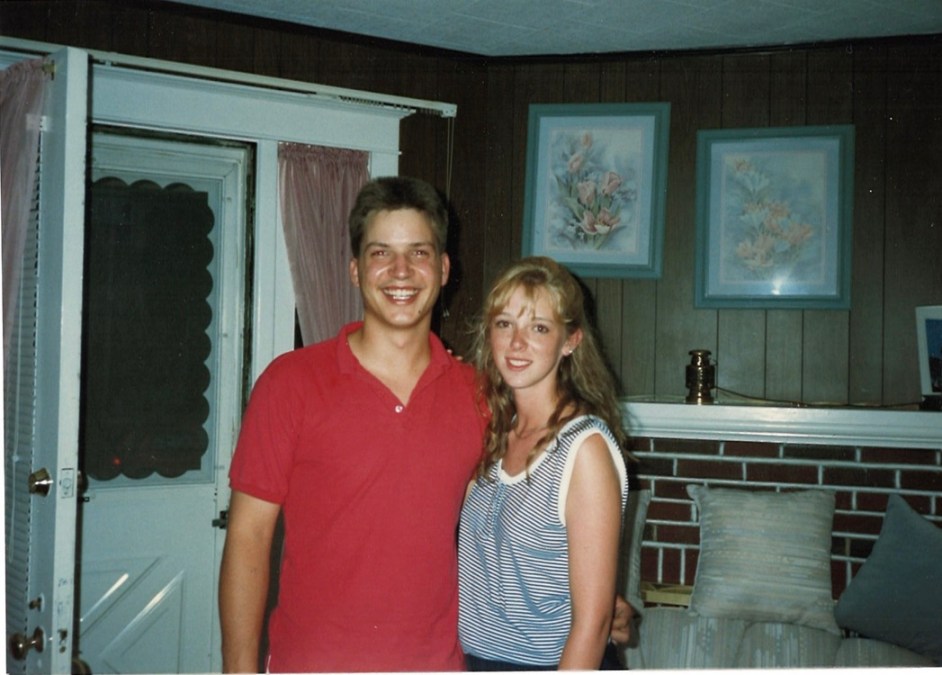
For Maureen Kalix Smith
Rage, rage against the dying of the light.
In the hospital room at the end, I grasp at the hope that your rage inspired in others. 14 years ago, in the noon of your life, the light threatened to be eclipsed with the diagnosis of Stage IV metastatic breast cancer, and a life expectancy of 18 months.
You raged against the eclipse, fought and battled, endured through pain that most of us cannot comprehend, and saw your young son grown into a man, cousins and a Goddaughter born, and celebrated life with your family, friends and parish. As a volunteer, advocate and mentor, you turned your pain into hope for others.
Rage, rage against the dying of the light.
I grasp at that hope, but it slips through my fingers as the refrain from the poem reverberates in my mind. It is like the steady pounding of drums, but it makes absolutely no sense to me as I sit by your hospital bed, night after night, week after week, and read to you. I am not sure if you can even hear me, but I am there anyway after work.
Rage, rage against the dying of the light.
It is so apt for you, and yet so terribly, cruelly wrong.
My dear, sweet girl: the poem was never meant for you. “Do not go gentle into that good night” was written for an old man, at the end of his days. The only rage you were supposed to experience, at 29, when you were first diagnosed, was at catching your son smoking. You were supposed to rage against higher gas prices and skyrocketing tuition costs. As the world moved onward, and our bodies followed, you were supposed to rage against the passing of that first blush of youth, at a cheating boyfriend, or at yet another stupid ass thing that I did. The dying of the light was never something that you were supposed to have to rage against.
Rage, rage against the dying of the light.
As your rage faltered, slowly dimmed with the light of your life, the rage built within me. Finally, hospice. The hospital. Hoping you were unaware that every time they moved you, your moan of agony was beneath the threshold of the drugs. Selfishly and selflessly hoping your young heart would stop so the pain would be over.
You set yourself against the evil that is cancer, at the dying of the light. I could only set myself against my own impotent anger, at the coming of darkness, unable to do anything except sit there and read.
I push at the darkness, with thoughts of you, mingling my own memories with those others who gather around your bed. We laugh and chuckle.
Yes, I earned the moniker of Batman. The call came in the middle of the night, when you were still living alone, battling for continued independence. I was awake instantly when I saw your number, pulling on my pants as I answered the phone.
Selfish lightning strikes created a fantasy in my mind. You were barricaded inside a room in your home with a seven-foot, 350-pound intruder that I could set my rage against.
Yes, you were barricaded inside of your kitchen, but the intruder was a little face you saw pop out of the ceiling tiles in your living room. It dropped, unfurled wings, and began flying in circles. I rushed over the few blocks to find you armed with a fireplace poker and a pair of kitchen tongs.
I stepped into the living room, saw an enormous bat flying towards me, screamed like a little girl, and retreated into the kitchen. I deluded myself into thinking the tiny little mouse with wings was actually the largest bat on record.
I feigned manliness and picked up my weapon of choice to do battle: an empty pizza box. First as a shield, and then as a mace, I battered that flying rodent into insensibility to get it out of the house. Batman I would be to you and your family for the rest of our lives.
Rage, rage against the dying of the light.
There were other memories that I shared. There were the notes we passed back and forth when we met in geometry class to entertain each other. A friendship that spanned 29 years as I tumbled through one mess after another, and being so happy that your mother never changed her phone number because, to this day, I still cannot find your house, only wander through your neighborhood until I stumble across it.
I continued to show up, even after you’d rather I not, because you continued to show up, when I was not sure if you could.
After you were forced to give up your independence and move back in with your mother, I’d wander through the neighborhood from time to time, until I found your house. I’d knock and then ring the doorbell with no expectations. I’d wait. Maybe you were feeling well enough to answer. Maybe you were not.
Rage, rage against the dying of the light.
They were sent. Maybe you could accept the invitations. Maybe you couldn’t. No judgement. You were there when I got married—betcha’ you didn’t see that one coming? You were there for the jewelry parties and the 40th surprise party. I’d buy two tickets to high-school reunions, just in case.
You were with me for a long time, and that is why I am here with you now.
Oh, my dear, sweet girl. Rage, rage against the dying of the light. Maybe that is why the refrain of the poem has become a mantra in my mind. It is not for you anymore to rage, rage against the dying of the light. It is time for you to put your burden down and let go. The pain has been terrible. The sickness unbearable. The endurance required incalculable. It is time, honey, though I both selfishly resist the truth and guiltily want it. It is time for you to go gentle into that good night.
Gently, my dear one, ever so gently. Just open your hand and let go. Slip from the pain, knowing that our memories will catch you and hold you tight.
Rage, rage against the dying of the light.
The refrain is not for you anymore, but for us. And it is such an easy thing to do, for you have made it easy for us. The light of your life fades, but the light of your existence burns as bright as the sun. Your smile is engraved on our minds, your laughter rings in our hearts, and your warmth and kindness have become pieces of our souls. The laughter you have inspired will ease the tears of your passing. You will live as long as we do.
Rage, rage against the dying of the light.
How can the light die when it is a part of who we are?